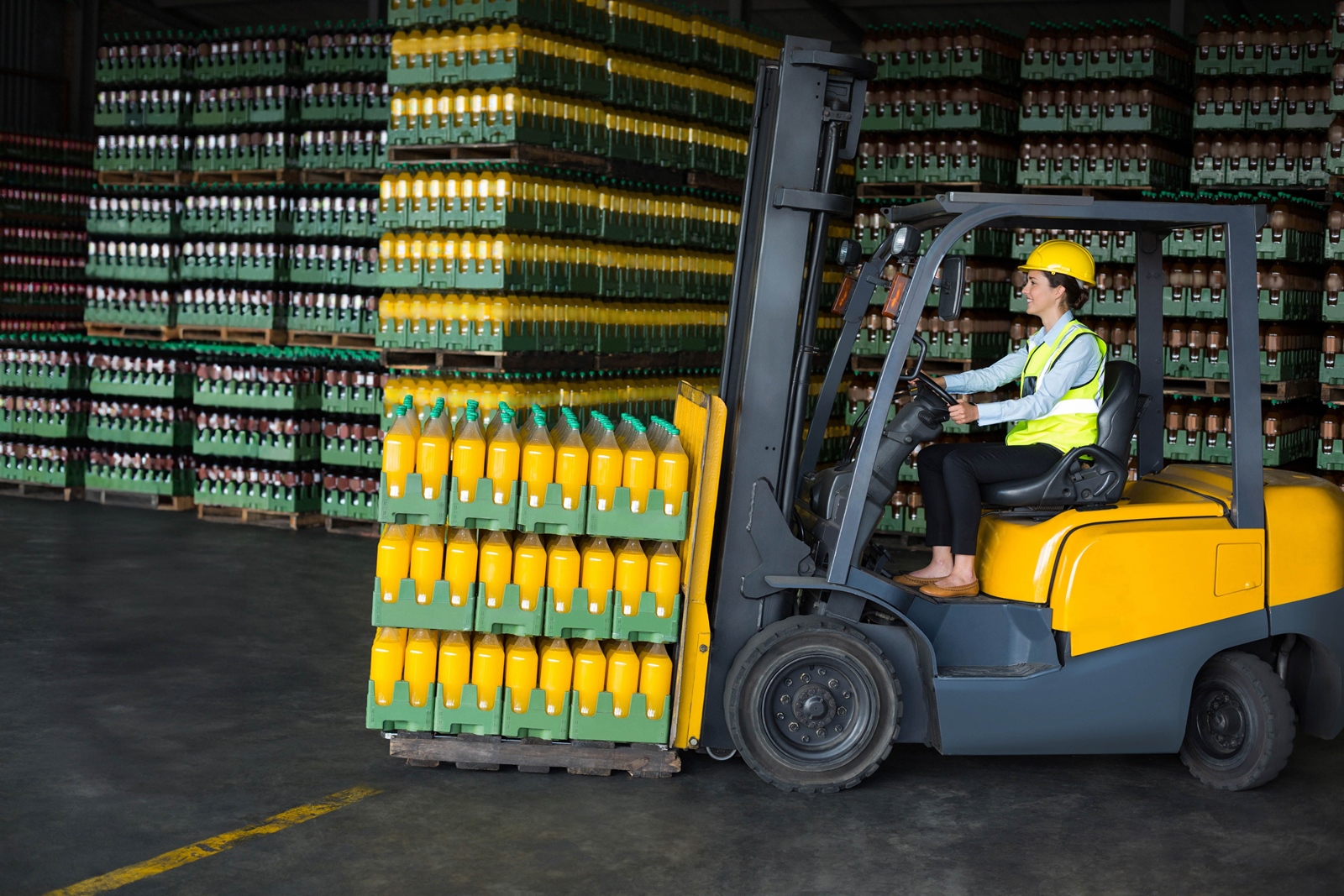
Beverage logistics requires an exceptional level of care and precision. Unlike standard apparel or consumer electronics, liquids present a unique set of challenges because they are inherently heavy, fragile, and perishable. When you transport a pallet of functional beverages, you are dealing with glass bottles, pressurized cans, and temperature-sensitive active ingredients that can degrade if handled improperly.
The regulatory climate surrounding food and beverage storage is also tightening. The FDA’s recent rollout of the Human Foods Program—a centralized effort to oversee food safety and prevent foodborne illness—alongside its Closer to Zero initiative means fulfillment centers will face much higher scrutiny. A single misstep in warehouse sanitation or inventory tracking can trigger severe compliance issues, product recalls, and damage to consumer trust.
This beverage logistics guide for 2026 helps brands move beyond a simple “price per pick” mindset. Evaluating a supply chain partner requires looking closely at their operational integrity, facility certifications, and risk mitigation strategies. Understanding how to choose a 3PL for functional beverages ensures your product arrives safely and your business stays fully compliant with changing regulations.
FDA Registration and Food-Grade Certification
If your product is a beverage, the FDA classifies it as a food item. Partnering with a non-registered fulfillment center is a significant legal liability that can halt your supply chain entirely and result in seized inventory.
A high-quality logistics provider will treat compliance as a foundational element of their business, not an afterthought. They should maintain pristine facilities that prevent contamination and ensure your beverages are stored under optimal conditions.
What to look for when evaluating a partner for third-party logistics for beverage brands:
- Current FDA Food Facility Registration: Ensure the warehouse facility is actively registered with the FDA and has a clean, documented inspection history.
- Current Good Manufacturing Practices (cGMP) Compliance: Ask for evidence of strict standard operating procedures (SOPs) covering warehouse sanitation, proactive pest control, and staff hygiene.
- FSMA 204 Readiness: The FDA’s Food Safety Modernization Act (FSMA) Section 204, or the Food Traceability Rule, demands rigorous recordkeeping for certain foods. Even as compliance dates shift, top-tier facilities are already implementing Key Data Elements (KDEs) and traceability lot codes to stay ahead of upcoming requirements.
Advanced Lot Tracking Using the FEFO Standard
Beverages containing active ingredients like probiotics, vitamins, or cold-pressed juices require highly accurate inventory management. The science of freshness demands specific stock rotation methods to maintain product integrity and prevent costly spoilage.
First-Expired, First-Out (FEFO) serves as the gold standard for perishable goods. Unlike standard First-In, First-Out (FIFO) methods that move older stock based on arrival time, FEFO prioritizes shipping items based strictly on their actual expiration dates. This ensures consumers always receive products at peak freshness.
Recall readiness relies heavily on this targeted inventory approach:
- Rapid Isolation: You must be able to isolate a specific batch within minutes using lot codes, avoiding days of costly delays during a product recall.
- Expiration Visibility: Real-time visibility into “best by” dates prevents expired stock from accidentally reaching customers and damaging your brand reputation.
- Automated Accuracy: A robust warehouse management system (WMS) should seamlessly support automated, date-driven picking to eliminate human error on the warehouse floor.
Break-Pack and Custom Kitting Capabilities
Modern consumers increasingly expect flexibility in their purchasing options. Shoppers actively look for “build-your-own-case” options and curated discovery kits to sample different flavors before committing to a larger bulk purchase.
Many traditional fulfillment centers struggle with this operational hurdle because they are only equipped to ship “as-received” master cases. Finding a flexible 3PL for beverage startups requires evaluating their specific assembly skills and their ability to reconfigure products on demand.
You need a fulfillment partner capable of the following operations:
- Break-Pack Operations: Safely splitting wholesale master cases into individual units for personalized direct-to-consumer orders.
- High-Speed Kitting: Efficiently assembling monthly subscription boxes or promotional bundles without slowing down the daily shipping queue.
- SKU Accuracy: Maintaining flawless inventory counts when physical products are reconfigured into completely new kits or variety packs.
Leak-Proof and Weight-Optimized Shipping Protocols
A single leaking bottle can ruin an entire pallet or destroy an expensive direct-to-consumer parcel shipment. Beverages demand specialized packaging engineering that standard warehouse bubble wrap simply cannot provide.
High-quality protection is necessary to prevent costly damage and messy returns. A reliable 3PL will utilize specific, tested protocols to secure liquid freight and ensure products arrive in pristine condition.
These protective shipping strategies include:
- Specialized Dunnage: Using internal cushioning specifically designed for heavy liquids to absorb drop shock during transit.
- Eco-Friendly Materials: Leveraging durable materials like molded pulp or custom corrugated inserts, which offer superior protection and align with modern sustainability goals.
- Adapting to 2026 Packaging Trends: Handling new formats like monomaterial containers and paper-can technologies, which require entirely different stacking and packing techniques compared to traditional PET plastic bottles.
Strategic Distribution to Solve the Heavy Liquid Problem
Liquids are inherently heavy, and shipping water or juice across the country can quickly erode your profit margins. A standard 12-pack of 16-ounce cans weighs over 12 pounds, and moving that weight across multiple shipping zones is incredibly expensive.
To offset these costs, brands need a highly strategic approach to distribution and deep discounts through carrier partnerships. For example, APS Fulfillment operates a strategically located facility in Miami, Florida, allowing brands to reach major domestic markets efficiently while securing up to 40% savings on major carrier shipping costs.
Optimizing your fulfillment distribution yields several key financial and operational benefits:
- Reduced Zone Costs: Shipping from a strategically located hub lowers the number of shipping “zones” your packages cross, directly reducing your carrier postage fees.
- Lower Carbon Footprint: Decreased transit distances support supply chain sustainability, which remains a major consumer priority for 2026.
- Faster Transit Times: Quicker deliveries reduce the risk of temperature-related spoilage for functional beverages and elevate the overall customer experience.
Making the Final Call on Your Fulfillment Partner
Selecting the right logistics provider requires thorough due diligence. Do not rely solely on a polished marketing brochure or a slick sales presentation when making your final decision.
Take the time to request a virtual or physical tour of the facility. Pay special attention to their quarantine and returns areas. A clean, highly organized reverse logistics section is a strong indicator of a meticulously managed warehouse that respects product integrity.
Your fulfillment provider should act as a growth engine rather than a bottleneck. You want to ensure your brand prioritizes compliance, advanced tracking, flexible kitting, and strategic shipping. By holding your 3PL to these strict non-negotiable standards, your brand will be well-equipped to scale safely and profitably.
If you are seeking a reliable partner to handle your unique inventory, APS Fulfillment offers specialized, food-grade solutions designed specifically for nutritional and sports beverages. Reach out to our team today to ensure your supply chain is fully prepared for the complex demands of the modern market.