A shopper in Los Angeles finds your product, loves it, and fills her cart. Then she hits checkout, sees the shipping cost and delivery estimate, and closes the tab.
This happens because Florida sits in Zone 8 for shipments heading to California, Washington, and Oregon—the highest cost tier and longest transit window in domestic parcel shipping. High shipping fees cause up to 39% of cart abandonments, and slow delivery estimates account for another 21%, according to Baymard Institute research on checkout abandonment. Zone skipping for 3PL operations closes this gap, turning high-friction West Coast checkouts into completed orders.
What Causes West Coast Shoppers to Abandon Their Carts?
Before fixing the problem, it helps to understand exactly where it originates. Two friction points are responsible for most of the damage.
1. Sticker Shock at Shipping Rates
When a Florida brand relies on standard ground parcel shipping, a single package traveling across the country can easily cost $12 to $20 or more, depending on size and weight. That cost must go somewhere. Pass it on to the customer, and you spike cart abandonment right at checkout. Absorb it yourself, and you quietly erode your product margins with every West Coast order.
Neither option is good. And for brands trying to scale nationally, this tradeoff repeats itself on every single order heading west of the Mississippi.
2. The “Amazon Effect” and Transit Delays
Standard ground shipping from Florida to the Pacific Northwest or California typically takes 5 to 7 business days. Modern online shoppers, conditioned by two-day and even same-day delivery expectations, read that timeline as a red flag. Long delivery estimates create doubt, and doubt sends buyers straight to a local competitor with a faster promise.
The combined result is a checkout conversion rate that quietly underperforms specifically among buyers west of the Mississippi River, capping a Florida brand’s national growth potential long before the product itself becomes the issue.
How Does Zone Skipping Work Without Opening a Second Warehouse?
Zone skipping in Florida doesn’t require leasing warehouse space in Los Angeles or Seattle. It requires rethinking how packages move through the shipping network.
In the traditional parcel model, a package packed in Florida passes through a local hub, a regional hub, a cross-country hub, and a West Coast sorting center before reaching the customer. Every stop adds handling costs, time, and risk of damage.
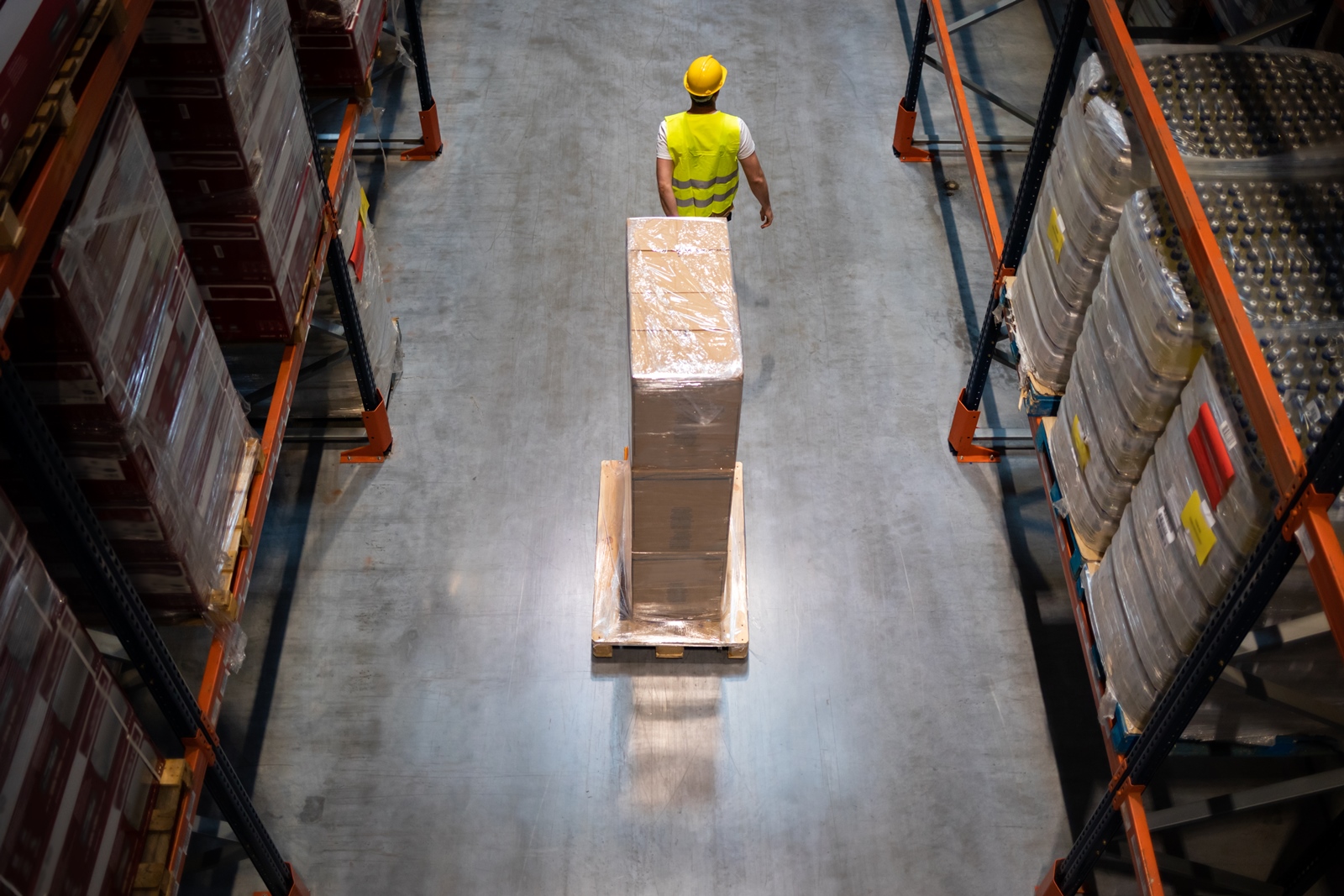
Zone skipping e-commerce operations cut out those middle steps. Orders get consolidated and packed onto a pallet in Florida, moved via a dedicated linehaul truck across the country, and injected directly into a West Coast regional hub for local last-mile delivery.
The logic is straightforward: pay bulk freight rates for the long haul (cheap per package), then pay local Zone 2/3 parcel rates for the final delivery leg.
What Business Results Does Zone Skipping Actually Deliver?
The operational shift behind zone skipping creates ripple effects across revenue, customer experience, and overhead.
- Conversion and revenue. Lower per-package shipping costs make it realistic to offer “Free Shipping” thresholds that wouldn’t otherwise be penciled out. That, in turn, reduces the cart abandonment driven by high Zone 8 rates at checkout. Freight budgeting also becomes more predictable, since bulk linehaul rates fluctuate less dramatically than individual parcel pricing.
- Delivery speed and trust. By bypassing intermediate sorting hubs, zone skipping typically shaves 2 to 3 days off transit times to West Coast zip codes. Palletized transit also reduces the handling damage and lost packages common in multi-hub parcel routing. Faster, more reliable delivery translates directly into better customer reviews and higher repeat purchase rates—the kind of compounding trust that’s difficult to buy through advertising alone.
- Operational efficiency. Choose zone skipping over a second warehouse if your West Coast order volume doesn’t yet justify the overhead of lease payments, staffing, and inventory duplication across two coasts. Zone skipping lets Florida brands compete with two-coast operations by leveraging regional carriers for discounted last-mile delivery, without the fixed costs of a second facility. It also carries a sustainability upside: consolidated, palletized freight produces lower carbon emissions per delivery than scattered, individual parcel shipments.
How Do You Set Up Zone Skipping for Your Business?
Implementing zone skipping for 3PL operations involves three practical steps.
- Determine Your West Coast Order Density. Start by analyzing your past 90 days of order data. Do you have enough volume heading to California, Oregon, and Washington to reliably fill a daily or weekly pallet? This threshold determines whether zone skipping is immediately viable or something to build toward as West Coast demand grows.
- Choose the Right Injection Hubs. Next, identify the right injection points. Key West Coast regional hubs, such as those near Los Angeles, Reno, or Seattle, offer fast final-mile delivery across a wide range of West Coast zip codes, making them strong candidates for consolidated freight injection.
- Set Up Checkout Rules in Your E-Commerce Platform. Finally, configure your checkout rules. Platforms like Magento, Shopify, or dedicated rate engines such as ShipperHQ can detect West Coast zip codes, display the lower rates your new shipping model makes possible, and automatically route qualifying orders into your consolidation workflow.
Start Winning West Coast Customers from Florida
You don’t need millions in capital to open a fulfillment center in California to win over West Coast buyers. You need a smarter way to move packages across the country, and that’s exactly what zone skipping in Florida delivers.
APS Fulfillment, Inc. operates a strategically located warehouse and fulfillment center in Florida, built to help e-commerce brands ship smarter without the overhead of a second coast. With more than one million products shipped annually, APS helps retailers reduce shipping costs by up to 40% with major carriers while keeping delivery fast and reliable.
If West Coast cart abandonment has been quietly capping your growth, it’s worth exploring whether a Florida-to-West Coast shipping strategy built on zone skipping could change that. Request a quote from APS Fulfillment or get in touch with us to find out if your order volume is ready for it.