Consumer expectations have shifted dramatically. Two-day delivery is no longer a premium perk—it’s the baseline. For e-commerce brands still routing their Southeast orders through West Coast or Northeast distribution hubs, that standard is getting harder and harder to meet. The result? Higher shipping costs, longer transit times, and frustrated customers abandoning carts before they ever complete a purchase.
The solution isn’t necessarily more warehouses. It’s smarter positioning. And right now, Florida is one of the most strategically underutilized locations in U.S. e-commerce logistics. From its proximity to tens of millions of Southeast consumers to a state-backed infrastructure overhaul, the Sunshine State offers a compelling case for brands ready to rethink their fulfillment strategy.
Meeting the 2-Day Standard for the Southeast Market
Speed is no longer a differentiator—it’s a prerequisite. According to industry data, 69% of brands now view 2-to-3-day delivery as a non-negotiable standard for consumer satisfaction. For brands shipping to Southeast customers from a warehouse in California or New Jersey, consistently hitting that benchmark is an uphill battle.
Florida changes the math entirely. As the third most populous state in the U.S., with over 22 million residents, Florida is a crucial access point to a massive and growing consumer base. Positioning inventory there puts brands in a fundamentally stronger shipping position—not just for in-state customers, but for the broader Southeast region.
Florida order fulfillment services—USA-based brands in particular—benefit from these geographic advantages.
Here’s why zone mapping matters: when shipping from the West Coast to the Southeast, brands typically pay for Zone 7 or Zone 8 rates—the most expensive tiers in carrier pricing structures. A Florida-based fulfillment center can instantly reduce many Southeast shipments to lower shipping zones, often in the Zone 1–3 range. That’s a meaningful reduction in per-shipment cost, multiplied across every order you process.
Beyond cost savings, faster delivery directly impacts revenue. Shorter estimated delivery windows reduce cart abandonment and increase customer lifetime value (LTV)—two metrics that compound significantly as order volumes grow.
Central Florida’s Emerging Logistics Corridors
Miami has long been synonymous with Florida logistics, but a major internal shift is underway. The real action is moving inland, toward Central Florida’s I-4 corridor, where cities like Orlando, Lakeland, and Ocala are quietly becoming fulfillment powerhouses.
This stretch of highway—sometimes referred to as the “Golden Triangle” of Florida logistics—offers a distinct set of advantages over the congested coastal markets. Warehouse rental rates and land availability in Central Florida are substantially more favorable than in Miami or other high-demand coastal cities, giving growing brands the ability to scale storage capacity without absorbing punishing real estate costs.
The geographic position is equally valuable. A Central Florida hub puts trucks within easy reach of every major Florida city, while also offering potential next-day ground reach into neighboring states like Georgia and Alabama. For e-commerce order fulfillment services in Florida, this means brands can serve a broad multi-state footprint from a single, cost-efficient location—without sacrificing speed or margin.
Florida’s Infrastructure Boom Is Built for Freight
Florida’s logistics advantage isn’t coincidental. It’s the product of sustained, deliberate investment in freight infrastructure that’s making it easier—and faster—to move goods from port to warehouse to doorstep.
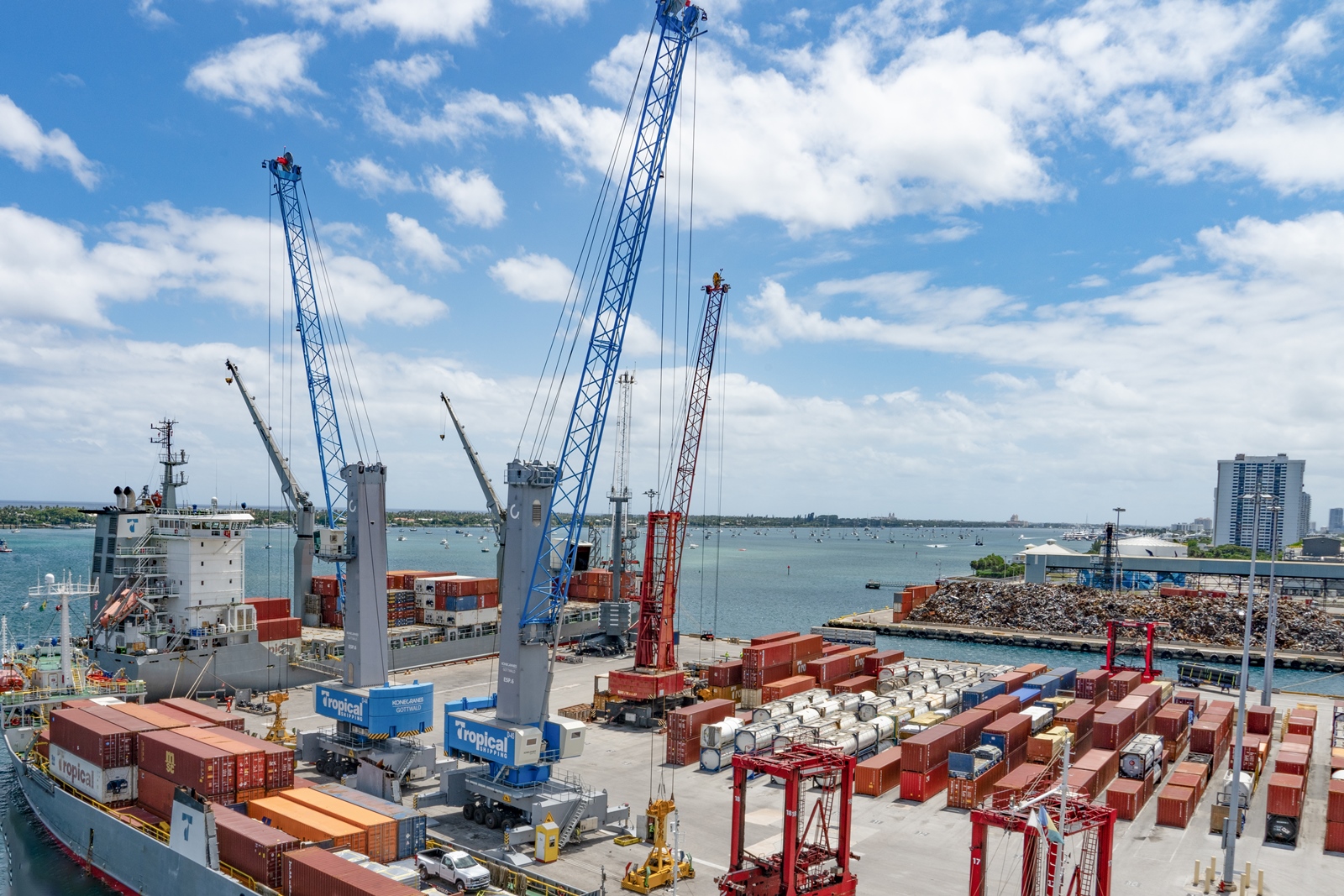
PortMiami is a prime example. Ongoing expansions have equipped the port with deep-water capabilities capable of accommodating the world’s largest post-Panamax cargo ships. That means more volume processed efficiently, without the chronic congestion that plagues ports like Los Angeles and Long Beach. Inventory arrives faster and moves through the supply chain with fewer delays.
At the state level, Florida has committed a record $15.5 billion to transportation infrastructure improvements, including projects that support more efficient freight movement. The plan targets highway upgrades, bottleneck reduction, and intermodal rail improvements—all of which translate to shorter dwell times and more predictable transit. For e-commerce brands, predictability in inbound freight directly protects against the dreaded “out of stock” scenario that kills sales and erodes customer trust.
Taken together, these investments create a logistics environment where goods can move from cargo ship to warehouse shelf to consumer doorstep with a speed and consistency that traditional, congested port regions simply can’t match.
Position Your Inventory Where It Counts
Winning at e-commerce in 2026 requires more than a great product and a fast website. It demands a supply chain built for speed and cost efficiency—one that puts inventory close to the customers who are buying it. Florida delivers on both fronts: a prime geographic position for Southeast distribution, emerging inland corridors with competitive costs, and an infrastructure backbone that keeps goods moving.
Brands still relying on legacy shipping networks centered on the West Coast or Northeast are, in many cases, overpaying for slower service to their Southeast customers. Repositioning inventory to Florida is one of the highest-leverage logistics decisions a growing e-commerce business can make.
APS Fulfillment, Inc. provides Florida order fulfillment services that USA brands can rely on—from secure warehousing and real-time inventory management to precise pick-and-pack operations and multi-channel integration. As a trusted provider of 3PL services in Florida, APS Fulfillment operates out of South Florida. We’re built to help e-commerce businesses scale efficiently.
Ready to reduce shipping zones, cut transit times, and meet the 2-day standard your customers expect? Request a free quote from APS Fulfillment today.